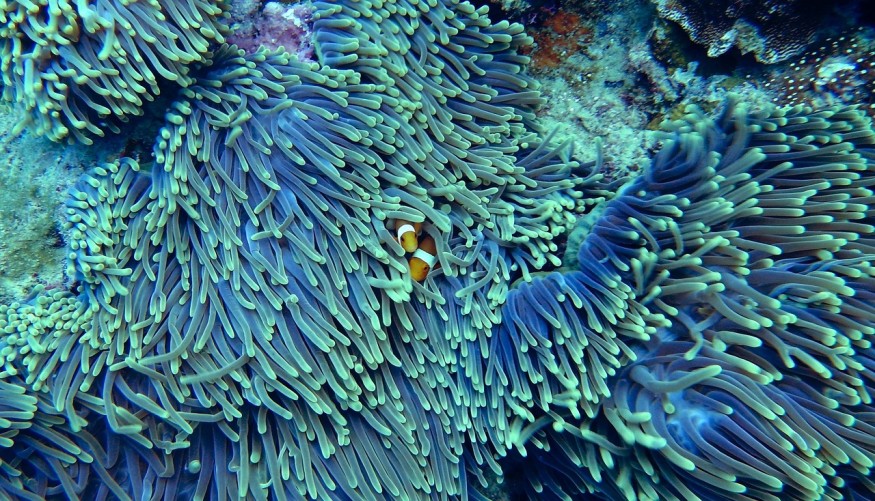
Coral reefs are vital marine ecosystems supporting a quarter of all ocean species. They provide food, storm protection, and economic value to coastal communities. However, these ecosystems are under increasing threat from coral reef bleaching, a process triggered by rising ocean temperatures, El Niño warming, and declining water quality.
When corals face heat stress, they undergo zooxanthellae expulsion, losing the symbiotic algae that give them color and energy.
Without these algae, corals turn white and become more vulnerable to disease and death. The growing frequency of bleaching events highlights the urgency of restoration and conservation.
What Causes Coral Reef Bleaching?
Bleaching results when corals are exposed to prolonged heat beyond their tolerance. Just one or two degrees of warming can lead to stress and algae expulsion. During El Niño warming phases, ocean currents shift, raising sea surface temperatures globally and triggering mass bleaching events.
Corals struggle to survive extended thermal stress, particularly when it coincides with other pressures like pollution, sedimentation, and overfishing. These combined stressors weaken corals' ability to recover after bleaching.
How Does Ocean Acidification Affect Coral Reefs?
Alongside temperature rise, ocean acidification is among the most serious threats to coral ecosystems.
As the ocean absorbs excess carbon dioxide from the atmosphere, its chemistry changes, forming carbonic acid that depletes carbonate ions, the minerals corals need to build skeletons. Lower carbonate availability slows reef growth, weakens coral structures, and makes them more susceptible to physical damage.
Acidified waters also hinder the recovery of other reef organisms such as shellfish and plankton, disrupting the entire food web. When acidification and heat stress occur simultaneously, recovery becomes far more difficult.
What Happens to Corals During Heat Stress?
High sea surface temperatures disrupt photosynthesis within the corals' algae, creating toxic oxygen compounds. To avoid damage, corals eject the algae, leading to zooxanthellae expulsion and bleaching.
Without this symbiotic relationship, corals lose up to 90 percent of their energy supply. Repeated exposure to thermal stress, especially intensified by El Niño warming events, leaves reefs with little time to heal.
Famous sites such as the Great Barrier Reef and the Coral Triangle have experienced multiple mass bleaching episodes in just a few decades, resulting in large-scale coral mortality.
Can Coral Reefs Recover After Bleaching?
Recovery depends on environmental stability. If water temperatures fall and conditions improve, corals can regain zooxanthellae and recover their color within months.
However, recovery rates vary by species and region. Fast-growing branching corals can bounce back quicker than slow-growing ones, but only if they are not repeatedly exposed to heat stress.
Healthy reefs in clean, well-managed environments tend to recover faster, whereas those exposed to pollution and overfishing face delayed or incomplete recovery. Frequent stress events now outpace natural recovery cycles, emphasizing the need for targeted reef restoration action.
Read more: Why Coral Reefs Are Turning White: Understanding Causes, Impact and the Science of Bleaching
What Efforts Are Being Made to Restore Coral Reefs?
Scientists and conservationists have deployed several approaches to aid reef restoration and enhance coral resilience.
One common strategy is coral gardening: growing coral fragments in underwater or land-based nurseries before transplanting them onto damaged reefs. Artificial reefs made from sustainable materials serve as foundations for coral growth and attract marine life back to barren areas.
In addition, researchers are exploring coral strain selection and genetic techniques to develop species that tolerate warmer, more acidic waters. This approach, known as assisted evolution, exposes corals to gradual temperature increases to strengthen future generations.
Local community projects in regions like the Philippines and the Pacific Islands have also played a key role by combining reef restoration with public education and responsible tourism.
These initiatives aim not only to repair damaged reefs, but also to rebuild ecosystems capable of withstanding future climate stress.
How Can We Prevent Further Coral Bleaching?
Preventing future bleaching requires tackling its root causes, warming oceans and carbon emissions. Reducing greenhouse gas emissions is the most effective long-term solution, as it slows both El Niño-related temperature surges and global ocean acidification.
Transitioning to renewable energy, protecting mangroves, and restoring seagrass beds can also help absorb carbon and buffer coastal waters.
On local levels, improving water quality, managing coastal development, and regulating fishing practices strengthen reef resilience.
Establishing marine protected areas gives coral populations time to regenerate, while promoting reef-safe sunscreen products reduces chemical pollution. Early-warning systems that monitor sea temperature anomalies can help predict and reduce bleaching impacts.
Combined, these steps create a climate of protection that benefits both coral ecosystems and nearby communities.
Sustaining Coral Reef Recovery for Future Oceans
Around the world, coral reef bleaching remains one of the clearest indicators of ocean health in decline. From El Niño warming to zooxanthellae expulsion, the chain of stress events shows how vulnerable marine ecosystems are to rapid climate shifts.
Yet expanding scientific research and global reef restoration programs demonstrate that recovery is possible when human pressures are reduced and conservation is prioritized.
Safeguarding coral reefs safeguards the oceans themselves, preserving biodiversity, fisheries, and coastlines for generations ahead. The path forward depends on collective effort, sustainable policy, and continued innovation in restoration science to keep these irreplaceable ecosystems alive and thriving.
Frequently Asked Questions
1. How long does it take for a coral reef to fully recover after bleaching?
Recovery can take anywhere from 10 to 30 years, depending on water quality, temperature stability, and the absence of repeated heat stress events.
2. Are there coral species that are naturally resistant to bleaching?
Yes. Some coral species, such as massive or boulder corals, have thicker tissues and stronger symbiotic algae relationships that make them more heat-tolerant than branching corals.
3. How does pollution increase coral bleaching risk?
Pollution from runoff adds nutrients and sediments that reduce water clarity and oxygen levels, intensifying heat stress and slowing coral recovery.
4. Can artificial reefs replace natural coral reefs?
Artificial reefs can support marine life and aid restoration, but they cannot replicate the full biodiversity and ecosystem functions of natural coral reefs.
© 2026 ScienceTimes.com All rights reserved. Do not reproduce without permission. The window to the world of Science Times.


