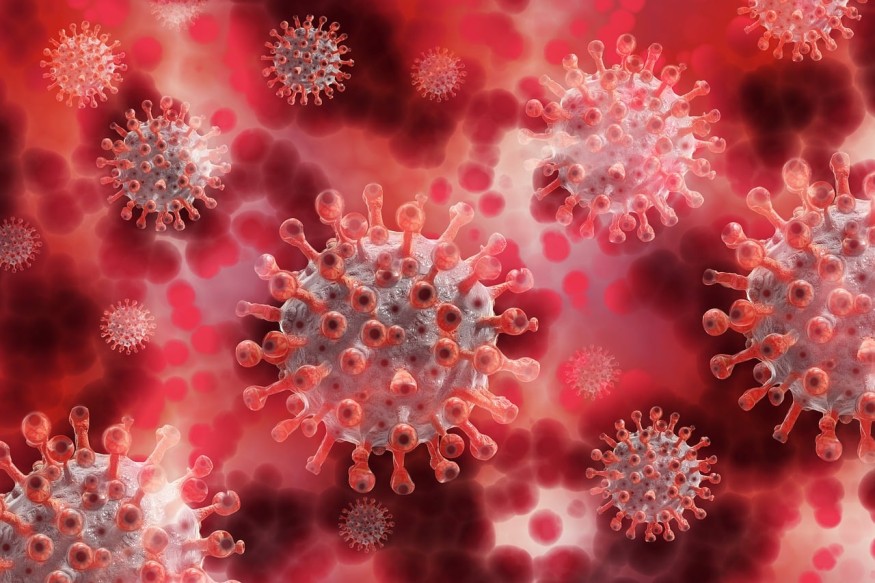
Global health officials have declared an international emergency as a deadly Ebola outbreak, centered in the Democratic Republic of Congo and spreading into Uganda, continues to grow with limited tools to stop it.
The World Health Organization (WHO) has classified the crisis as a "public health emergency of international concern," its second‑highest alert level under international health rules.
WHO Director-General Tedros Adhanom Ghebreyesus said the declaration reflects the seriousness of the threat, even though the situation does not yet meet the criteria for a pandemic. The move is meant to mobilize global resources, speed up funding, and push governments to strengthen surveillance and preparedness.
Most cases so far are in northeastern Democratic Republic of Congo, particularly Ituri Province, a remote region bordering Uganda, according to Science Alert.
Health officials say the virus has now crossed the border, with confirmed infections and at least one death reported in Uganda's capital, Kampala. Neighboring countries have not reported confirmed cases but are on high alert, increasing screening at airports and land crossings.
Read more: All Passengers Now Off The Hantavirus‑Hit Cruise Ship As A Repatriated American Tests Positive
Africa CDC and WHO updates suggest more than 300 suspected infections and at least 80–90 deaths, though the true toll may be higher. As of the latest reports, officials have logged roughly 336 suspected cases and 88 deaths, while only a small number of cases have been confirmed by laboratory testing.
WHO warns there are "significant uncertainties" about how many people are infected and how far the virus has already spread, The Star reported.
The outbreak is caused by the Bundibugyo virus, a rarer form of Ebola that can cause severe hemorrhagic fever and death. Unlike the Zaire strain seen in past major outbreaks, there is currently no licensed vaccine or proven specific treatment for Bundibugyo Ebola.
Patients often develop sudden fever, weakness, vomiting, diarrhea, and sometimes internal and external bleeding, and many die from shock or organ failure without intensive care.
WHO, Africa CDC, and aid groups are sending emergency teams to affected areas, working to trace contacts, isolate patients, and improve infection control in clinics.
However, responders face serious challenges, including poor roads, limited laboratories, and communities that are wary of outside health workers. International experts stress that fast action now, including better surveillance and support for local health systems, is key to stopping the outbreak before it spreads further across Africa or beyond, as per the Irish Times.
© 2026 ScienceTimes.com All rights reserved. Do not reproduce without permission. The window to the world of Science Times.


