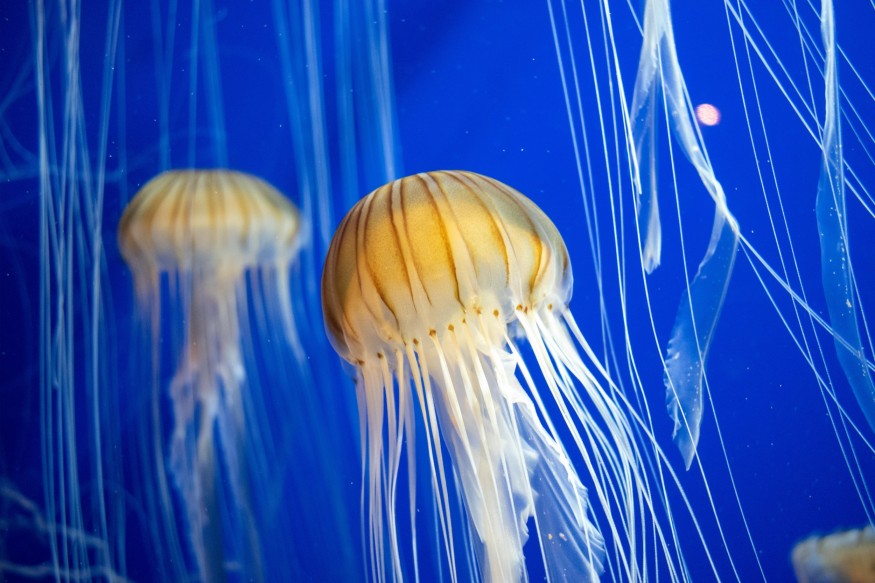
A newly identified species of box jellyfish discovered near Singapore has captured the attention of marine biologists around the world. Researchers say the species, named Chironex blakangmati, belongs to a group of jellyfish known for delivering extremely painful and potentially fatal stings. The finding has added another dangerous species to the growing list of venomous marine animals found in tropical waters.
Scientists Identify a New Box Jellyfish Species
The deadly venomous jellyfish was discovered during marine surveys conducted between 2020 and 2021 near Sentosa Island. Researchers collected several specimens and initially believed the animals belonged to an already known species called Chironex yamaguchii.
However, closer examination revealed important differences.
The discovery was officially described in the scientific journal Raffles Bulletin of Zoology and later highlighted by outlets such as Live Science and "Popular Mechanics." Scientists involved in the research say the newfound box jellyfish species may help experts better understand marine biodiversity, venom evolution, and the spread of dangerous jellyfish populations across Southeast Asia.
Scientists used both physical analysis and genetic sequencing to compare the jellyfish with related species. The results confirmed the animals represented a completely separate species, now officially named Chironex blakangmati.
According to the researchers, one key difference involved the internal canal structures found inside the jellyfish's bell. These anatomical features helped distinguish it from other known members of the Chironex genus. Marine biologists say the discovery demonstrates how much remains unknown about ocean ecosystems, even in coastal regions located near major cities.
Why Box Jellyfish Are So Dangerous
Box jellyfish are widely regarded as some of the deadliest marine animals on Earth. Unlike many jellyfish species that simply drift with currents, box jellyfish actively swim and hunt prey. Their tentacles contain thousands of microscopic stinging cells called nematocysts. When triggered, these cells inject venom into the victim almost instantly. The venom can attack several systems in the body at once, including:
- The nervous system
- The cardiovascular system
- Skin tissue
- Muscles and respiratory functions
Symptoms from a severe sting may include:
- Extreme burning pain
- Difficulty breathing
- Muscle spasms
- Rapid heart complications
- Vomiting and nausea
- Collapse or cardiac arrest
Some species within the Chironex genus have caused human fatalities in tropical regions. Researchers are still studying the exact venom potency of Chironex blakangmati, but its close relation to other dangerous box jellyfish has raised immediate concerns among scientists.
The U.S. National Oceanic and Atmospheric Administration (NOAA) has previously described box jellyfish venom as one of the most potent natural toxins found in marine environments.
What Makes Chironex blakangmati Unique?
The newfound box jellyfish species possesses several features that separate it from previously documented species. Researchers identified differences in:
- Bell anatomy
- Tentacle arrangement
- Internal canal structures
- Genetic markers
Scientists also noted that the species was difficult to identify because many box jellyfish look visually similar at first glance.
The species name itself carries a dark meaning. "Blakang Mati" references the historical name of the island where the jellyfish was discovered. The phrase roughly translates to "the island behind death," which researchers considered fitting for such a dangerous marine animal.
Interestingly, scientists also identified another dangerous species, Chironex indrasaksajiae, in the same region during the study. That species had previously been associated mainly with waters farther north in Southeast Asia.
The discoveries suggest that tropical waters may contain far more undocumented venomous species than experts once believed.
Why Scientists Are Concerned About Expanding Jellyfish Populations
Marine researchers have reported increasing jellyfish sightings in several parts of the world over the past decade. Experts believe multiple environmental factors may contribute to this trend:
- Warming ocean temperatures
- Climate change
- Coastal construction
- Pollution and ecosystem imbalance
- Shifts in ocean currents
Some scientists warn that rising sea temperatures may allow certain jellyfish species to expand into new regions.
According to reports covered by "Popular Mechanics," researchers believe dangerous jellyfish populations may be spreading more widely across Southeast Asia than previously documented.
The growing presence of box jellyfish Singapore sightings has also increased interest in marine safety and public awareness.
Box Jellyfish Are More Advanced Than Most People Realize
Many people think jellyfish are simple drifting animals, but box jellyfish are surprisingly advanced hunters.
Unlike ordinary jellyfish, box jellyfish possess sophisticated sensory structures that help them navigate through the water. Some remarkable abilities include:
- Active swimming
Box jellyfish can move intentionally instead of floating passively. - Complex vision
Certain species possess up to 24 eyes grouped into sensory clusters. - Obstacle detection
Researchers believe they can avoid objects and navigate around structures. - Efficient hunting behavior
Their speed and venom make them highly effective predators.
Scientists say these features make box jellyfish unique among cnidarians, the group that includes corals, sea anemones, and jellyfish.
What Happens During a Box Jellyfish Sting?
A sting from a deadly venomous jellyfish can escalate very quickly. Tentacles release venom through microscopic harpoons that attach to the skin upon contact. In severe cases, symptoms may appear within minutes. Medical experts often recommend these first-aid steps:
- Rinse the affected area with vinegar if available
- Avoid rubbing the sting site
- Carefully remove tentacles using gloves or tools
- Seek emergency medical assistance immediately
- Monitor breathing and pulse
Fresh water is generally discouraged because it can activate additional stinging cells and worsen venom release. Rapid treatment is critical for severe stings involving highly venomous species.
Why This Discovery Matters for Marine Research
The identification of Chironex blakangmati is significant for several scientific fields.
Researchers say the discovery could improve understanding of:
- Marine biodiversity
- Venom evolution
- Tropical ecosystem changes
- Species migration patterns
- Jellyfish taxonomy
Some experts also believe studying box jellyfish venom may eventually contribute to medical research. Certain venom compounds are already being investigated for potential pharmaceutical applications involving pain management and cardiovascular treatments.
The discovery additionally highlights how little scientists still know about many marine ecosystems. Even in regions with advanced research infrastructure, entirely new dangerous species can remain hidden for years.
Newly Discovered Box Jellyfish Highlights Ocean Biodiversity
The discovery of Chironex blakangmati has reminded researchers that the oceans still contain many unknown species waiting to be identified.
For scientists, the newfound box jellyfish species provides valuable insight into one of the ocean's most dangerous animal groups. For the public, it serves as another reminder that tropical marine environments can hold hidden risks alongside their ecological beauty.
As researchers continue studying box jellyfish Singapore populations and related species across Southeast Asia, experts hope to better understand how these deadly jellyfish spread, how dangerous their venom truly is, and what their growing presence may reveal about changing ocean ecosystems.
Frequently Asked Questions
1. What is Chironex blakangmati?
Chironex blakangmati is a newly identified box jellyfish species discovered near Singapore. Scientists classify it as a highly venomous species related to some of the world's deadliest jellyfish.
2. Can a box jellyfish sting kill a human?
Certain box jellyfish species can cause fatal reactions due to their powerful venom. Severe stings may lead to heart complications, breathing problems, or cardiac arrest if treatment is delayed.
3. Why are box jellyfish considered so dangerous?
Box jellyfish possess venom-filled stinging cells called nematocysts that attack the nervous and cardiovascular systems very quickly. Some species are capable of causing life-threatening symptoms within minutes.
4. Are scientists still discovering new jellyfish species?
Yes. Marine researchers regularly identify new species, especially in tropical waters where biodiversity remains poorly understood. Advances in DNA analysis have helped scientists detect species that were previously misidentified.
Originally published on natureworldnews.com


