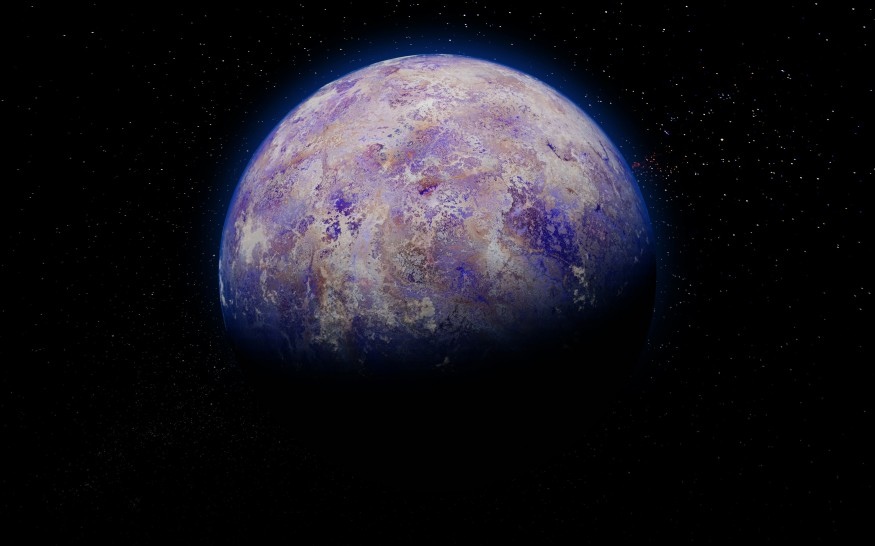
Alien life research is entering a new phase as scientists propose an agnostic method for the search of extraterrestrial life that moves beyond Earth-based assumptions. Instead of relying on biosignatures like oxygen or methane, the approach looks for broader planetary patterns that could indicate alien life in forms unlike anything on Earth.
This framework reshapes space exploration by comparing multiple planets for shared environmental changes rather than single chemical signals. Scientists study whether planetary systems show signs of life spreading or influencing conditions. For the search of extraterrestrial life, it offers a wider, more flexible way to detect possible life beyond Earth.
What Makes This New Method Different
The key difference in this alien life research approach is that it does not depend on Earth-like assumptions. Instead, it uses agnostic biosignatures based on patterns that may indicate extraterrestrial life without relying on specific chemicals.
This allows the search for extraterrestrial life to move beyond familiar biological markers. Scientists can look for broader signs that are not tied to Earth-style biology.
The method also compares multiple planets at once to find similarities that may not occur by chance. Shared atmospheric or environmental changes could suggest life spreading across systems.
It also studies whether worlds show statistically unusual behavior. Even without knowing what alien life looks like, researchers can search for indirect biological influence.
Read more: James Webb Space Telescope Discovers Cosmic Winds That May Explain Deaths of Early Galaxies
How This Could Change The Search For Alien Life
This new model could reshape how scientists approach the search for extraterrestrial life by shifting focus from individual planets to entire planetary systems. Instead of relying on a single biosignature, researchers examine patterns across multiple worlds to detect possible life activity.
It also strengthens the search for extraterrestrial life when biology is unfamiliar or completely different from Earth. If alien life uses alternative chemistry or spreads in unexpected ways, traditional methods may fail to detect it.
This approach reduces that limitation by focusing on environmental effects rather than direct chemical matches. For space exploration, it means fewer blind spots in detection methods.
By studying how planets influence each other, scientists may find indirect evidence of life, even without clear biosignatures in a single atmosphere.
A Broader Way To Recognize Alien Life
This agnostic biosignature approach could broaden alien life research by removing reliance on Earth-centered definitions of life. Instead of asking whether a planet matches Earth-like chemistry, scientists look for unusual shared patterns across groups of exoplanets that may indicate life detection signals.
It also strengthens how data from distant systems is interpreted. If extraterrestrial life spreads or alters environments across multiple worlds, those effects may be easier to detect at scale. This gives space exploration a more flexible way to study the universe, where life may not look familiar but still leaves measurable traces.
© 2026 ScienceTimes.com All rights reserved. Do not reproduce without permission. The window to the world of Science Times.


