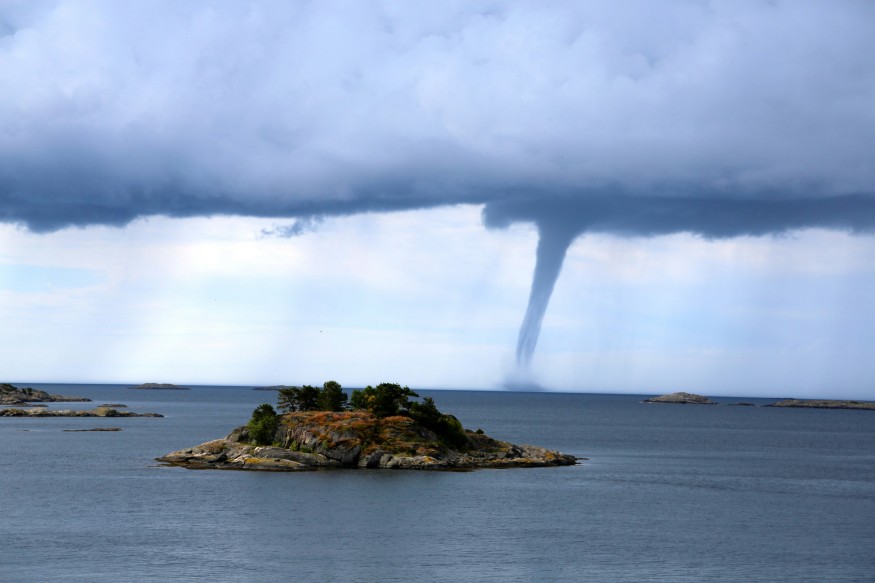
Vortex types are rotating columns of air that form under specific atmospheric conditions, yet their appearances often cause confusion during weather events. Tornadoes, waterspouts, and dust devils all involve spinning motion, but they differ significantly in origin, structure, and intensity. Understanding tornado vs waterspout distinctions and dust devil vs tornado comparisons is essential for accurate identification and public safety awareness. Each phenomenon arises from unique interactions between temperature, pressure, and wind patterns.
Clear classification of vortex types helps meteorologists assess hazards and communicate risks effectively. While tornadoes are associated with severe thunderstorms, waterspouts develop over water surfaces, and dust devils emerge in fair-weather conditions. Misidentifying these vortices can lead to unnecessary panic or underestimated danger. This article examines how these atmospheric phenomena form, how they differ in strength and behavior, and why their risks vary so widely.
Formation Mechanisms of Vortex Types
Vortex types form when atmospheric instability combines with rotational forces, but the processes differ significantly between phenomena. Tornadoes develop within powerful thunderstorms where wind shear creates rotating updrafts known as mesocyclones. As rising air tightens rotation and extends downward, a tornado forms when the circulation reaches the ground. These conditions require moisture, instability, and strong vertical wind changes.
Waterspouts form through two primary pathways. Fair-weather waterspouts develop from surface convergence over warm water without severe storms, while tornadic waterspouts originate from thunderstorms similar to land-based tornadoes. Dust devils form through surface heating rather than storms, as hot ground air rises rapidly and begins rotating. These distinctions explain why vortex types vary widely in scale, strength, and associated hazards.
Tornado vs Waterspout Differences in Structure and Intensity
Tornado vs waterspout differences are rooted in how these vortices form, sustain energy, and interact with their surroundings. While both involve rotating columns of air, their intensity and longevity vary significantly. Understanding these distinctions helps clarify why their damage potential is not equal.
- Tornadoes are larger and more destructive, with wind speeds exceeding 200 mph in extreme cases.
- Sustained inflow from severe thunderstorms allows tornadoes to maintain strength over long distances.
- Rapid pressure drops and dense debris fields amplify structural damage during tornado events.
- Waterspouts are typically weaker and shorter-lived, especially fair-weather types forming without strong storms.
- Fair-weather waterspouts rarely exceed EF0–EF1 intensity and often dissipate quickly after landfall.
- Tornadic waterspouts can move inland with tornado-like hazards but occur far less frequently.
- Tornado vs waterspout analysis shows clear differences in power, persistence, and destructive capacity.
Dust Devil vs Tornado Scale and Hazard Comparison
Dust devil vs tornado comparisons highlight how similar appearances can mask dramatically different risks. Although both involve rotating air, their formation environments and energy sources are not the same. These differences directly influence their size, strength, and potential danger.
- Dust devils form during calm, sunny conditions driven by intense surface heating rather than storms.
- Rising hot air tightens into narrow, shallow vortices typically only a few hundred feet tall.
- Wind speeds in dust devils usually remain below 60 mph, limiting damage potential.
- Tornadoes develop within organized thunderstorm systems and extend from cloud base to ground.
- Powerful winds, flying debris, and pressure changes allow tornadoes to collapse buildings.
- Dust devil vs tornado distinctions show dust devils as low-risk, short-lived phenomena.
- Despite dramatic visuals, dust devils rarely cause more than minor surface disruption.
Environmental Conditions That Shape Vortex Types
Environmental factors determine which vortex types form in a given region. Tornadoes favor humid air masses with strong temperature contrasts and wind shear, commonly occurring in continental interiors. Waterspouts thrive over warm water bodies where surface convergence and instability exist. Coastal and tropical regions experience higher waterspout frequency.
Dust devils form in arid and semi-arid environments with intense solar heating. They are most common during afternoons when ground temperatures peak. Vortex types reflect the balance between surface heating, atmospheric moisture, and vertical wind structure. Understanding these environmental triggers improves forecasting accuracy and hazard communication.
Risk Profiles Across Different Vortex Types
Risk varies widely among vortex types due to differences in intensity and predictability. Tornadoes represent the highest threat, capable of causing mass casualties and widespread destruction. Their unpredictable paths and rapid intensification challenge warning systems. Waterspouts pose moderate risks, especially to marine traffic and coastal infrastructure.
Dust devils present minimal danger and are rarely associated with injuries. They may disrupt outdoor activities but seldom damage structures. Tornado vs waterspout and dust devil vs tornado comparisons help emergency planners allocate resources appropriately. Accurate identification ensures warnings match actual threat levels.
Conclusion
Tornado vs waterspout and dust devil vs tornado distinctions illustrate how vortex types differ in formation, scale, and impact. Tornadoes arise from powerful storm systems and pose severe risks, while waterspouts form over water with generally lower intensity. Dust devils develop under fair-weather conditions and represent the least dangerous vortex type. These differences highlight the importance of understanding atmospheric context rather than relying on visual appearance alone.
Clear recognition of vortex types improves public response during weather events. Mislabeling a dust devil as a tornado can cause unnecessary alarm, while underestimating a tornadic waterspout can lead to unsafe decisions. Meteorological research continues to refine detection and classification methods for rotating storms. As forecasting tools advance, accurate education about vortex behavior remains essential for safety and preparedness.
Frequently Asked Questions
1. What is the main difference between a tornado and a waterspout?
Tornado vs waterspout differences lie primarily in formation location and intensity. Tornadoes form over land from severe thunderstorms and often reach higher wind speeds. Waterspouts form over water and are usually weaker. Tornadic waterspouts, however, can behave similarly to land tornadoes.
2. Can a dust devil turn into a tornado?
Dust devils do not evolve into tornadoes. They form from surface heating rather than storm-based rotation. Tornadoes require organized thunderstorms and strong wind shear. Dust devil vs tornado formation mechanisms are fundamentally different.
3. Are waterspouts dangerous to people on land?
Fair-weather waterspouts usually weaken rapidly when reaching land. Tornadic waterspouts can remain dangerous after landfall. Coastal communities may experience wind damage from these events. Awareness of tornado vs waterspout distinctions helps assess real risk.
4. Why do vortex types look similar despite different dangers?
All vortex types involve rotating air columns, creating similar visual appearances. Rotation alone does not indicate intensity or origin. Tornadoes, waterspouts, and dust devils differ in energy sources and structure. Proper identification relies on weather context, not appearance alone.
© 2026 ScienceTimes.com All rights reserved. Do not reproduce without permission. The window to the world of Science Times.


