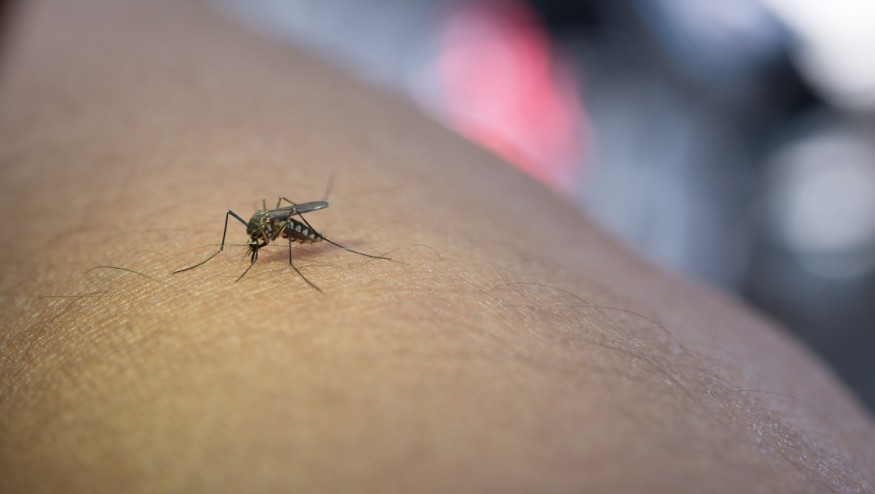
Public-health surveillance data entering June 2026 indicate that dengue fever remains an expanding concern across parts of the southern United States, particularly in Florida and Gulf Coast states.
The Centers for Disease Control and Prevention (CDC) has reported a sharp increase in dengue cases over the past year, with thousands of infections documented in 2024 and continued elevated activity into 2026 surveillance cycles. Recent summaries show a 359% increase in reported dengue cases compared with historical averages, underscoring a significant shift in disease patterns.
While the majority of cases remain travel-related, health officials have confirmed that locally acquired infections continue to occur in Florida, signaling that mosquito-borne transmission cycles are becoming more established in parts of the U.S. South.
Dengue is transmitted primarily by Aedes aegypti mosquitoes, which thrive in warm, humid environments. These mosquitoes are also capable of transmitting other viruses, such as Zika and chikungunya. Historically limited to tropical and subtropical regions, their range has expanded northward over recent decades.
Miami-Dade County remains one of the focal points for concern. Public-health researchers have documented repeated introductions of dengue into the region, with environmental conditions such as standing water, high humidity, and dense urban housing contributing to transmission risk.
Climate variability is increasingly cited as a contributing factor. Warmer temperatures extend mosquito breeding seasons, while heavy rainfall events create additional standing water habitats in urban environments.
Local vector-control programs have intensified efforts, including aerial spraying, larvicide treatments, and public awareness campaigns urging residents to eliminate standing water sources such as buckets, gutters, and outdoor containers.
Despite these efforts, experts warn that mosquito-borne diseases may become a recurring seasonal issue rather than isolated outbreaks. The CDC has emphasized that there is currently no specific antiviral treatment for dengue, making prevention the primary control strategy.
Clinically, dengue presents with sudden fever, severe headache, muscle and joint pain, and rash. Severe cases can progress to hemorrhagic complications, though these remain relatively rare in the United States.
As June begins, health agencies are urging continued vigilance, especially in southern states where mosquito activity is expected to increase further during the summer months.
Sources
Related ScienceTimes.com Stories
© 2026 ScienceTimes.com All rights reserved. Do not reproduce without permission. The window to the world of Science Times.


